

URBAN FARMING
PBL CURRICULUM FOR GRADES 3 – 12
Today’s youth are increasingly disconnected from where their food comes from and from the systems that shape health, environment, and community well-being.
The Urban Farming PBL Curriculum transforms that.
Designed for Grades 3–12, this hands-on program helps young people explore the connection between land, food, culture, and prosperity, while building real-world skills through meaningful projects.
Why this curriculum works
Reconnect Youth with Food & the Land
Students explore:
- Where food comes from
- How food systems impact communities
- The relationship between land, culture, and well-being
They begin to see food not just as consumption but as connection, identity, and responsibility.
Build Real-World Skills Through Hands-On Learning
This curriculum goes beyond theory.
Students actively:
-
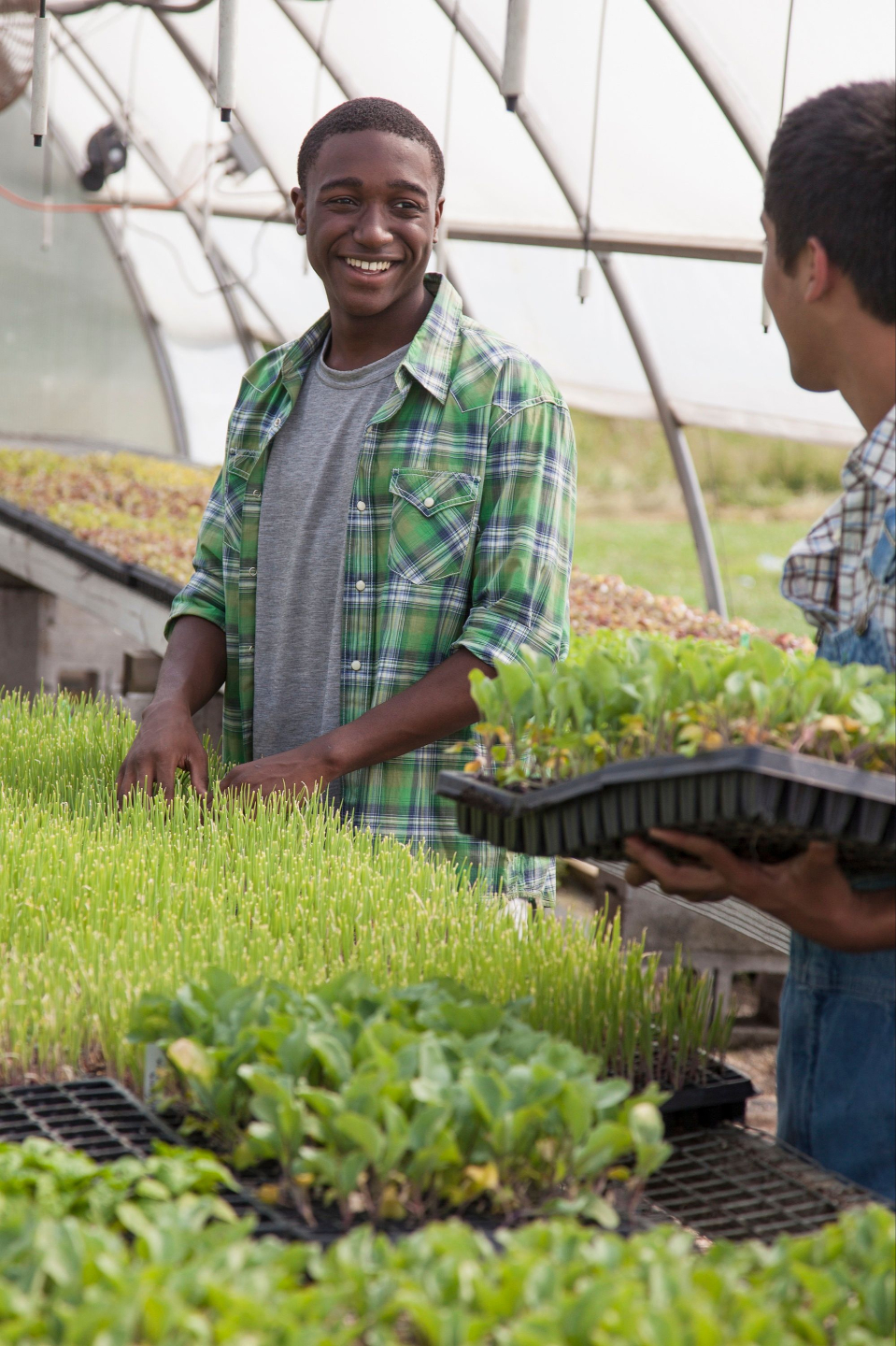
Grow and care for plants
-
Learn farming processes
-
Understand harvesting cycles
Through this, they develop patience, discipline, and responsibility, skills that extend far beyond the classroom.
Understand Food Systems & Global Impact
Students investigate:
-
Local and global food systems
-
Food justice and access issues
-
The economic side of agriculture
They connect their learning to global challenges, including food disparity and sustainability through the UN Sustainable Development Goals.
BUY NOW
"This product is such a valuable resource for my students. We start the year off with a unit on conservation and sustainability. The information in the product aligned perfectly with what we do in that unit. This gives the students more insight into each area sustainability and helps them see that every little bit helps!"
– Melissa Geurian, Grades 9-12, Fayetteville High School, 2025
COURSE OUTLINE FOR EDUCATORS
Curriculum Fundamentals
- Introduction to IDEAS Empowered by Youth® PBL Curricula
- Creating an Entrepreneurial Mindset
- Effective Facilitation
- An Introduction to Project-Based Learning
- PBLWorks Gold Standards
- Introduction & Facilitation Training
- Knowledge Assessment
- Resources
- Certification
Urban Farming PBL Curriculum
- Introduction
- Facilitator's Guide
- Prezi Presentation
- Evaluation Rubric
What youth will do
Students will:
- Explore farming and natural systems, learn the fundamentals of farming, understand soil, plants, and ecosystems, and experience the full cycle of growing food.
- Research food systems and culture, dive into the history and culture of food, oral traditions and ancestral knowledge, and learn how food connects communities across generations. They develop a deeper appreciation of food as culture, identity, and history.
- Investigate food justice and sustainability, explore food access and inequality, environmental impacts of food systems, and sustainable farming practices. This builds awareness of how food connects to equity, environment, and global responsibility.
- Design a Community Impact Project and apply their learning by creating projects that promote healthy food awareness, designing community-based solutions, and encouraging sustainable practices. They move from learning to taking action in their communities.
This curriculum aligns with project-based learning best practices, emphasizing sustained inquiry, public presentations, student choice, and reflection, all key components that drive deeper learning and skill transfer.
What you get when you enroll
Comprehensive Educator Toolkit
-
Step-by-step facilitator guide
-
Ready-to-use lesson plans and templates
-
Evaluation rubrics and assessment tools
-
Student sample projects for inspiration
Digital Skills Training
Students access hands-on experience with tools like Canva, Prezi, PowerPoint and video editing software, empowering them to communicate confidently in digital formats.

Professional Development for Facilitators
We walk educators through the project-based learning approach itself, helping you transition from lecture-style teaching to student-centered facilitation.
Proven benefits of Project-Based Learning (PBL)
Project-based learning is widely recognized for its impact on student engagement and learning outcomes, especially for complex topics like climate change. Students who learn through PBL:
- Learn by applying knowledge to real problems
- Retain information longer due to authentic inquiry
- Advance research, leadership, and communication skills
- See measurable growth in collaboration and critical thinking
BUY NOW
Find Us on YIPPEE!
Attention all educators!
Exciting news. We’re now available on YIPPEE, where all you need to do is order (and YIPPEE sponsors pick up the tab)!
That's right, you heard it, free products for all of our educators.
Get Started Today
If you’re looking for a curriculum that combines environmental education, hands-on learning, and real-world impact, this program is designed for you. Empower your students to reconnect with the land, rethink their relationship with food, and become the next generation of leaders in sustainability and community well-being.
BUY NOWSubscribe for Our Newsletter!
Get a weekly dose of inspiration. Join our vibrant community of forward-thinking educators!
RESOURCES
ABOUT
MEMBERSHIP
