DIGNITY OF CHILDREN · DR. TOLEDO
The Weekly Practice
Issue No. 10 Week of August 25th, 2026 Focus: Nervous System
A Message to the Program Leader
You are the person your program leans on when everything moves at once. A staff member needs direction; a parent needs a word at the door; a child needs an adult who stays grounded when the room shifts, and all of it reaches you before your body has settled from the last disruption. You hold the weight of building a place where young people feel safe while the demands keep coming, and the person who needs you most is always the next one through the door. The weight you are carrying is not a statement about your competence, and your wellbeing is not a luxury you earn after work. The outcomes you are working toward depend on your wellbeing, because the children in your program need you well enough to build the culture they deserve.
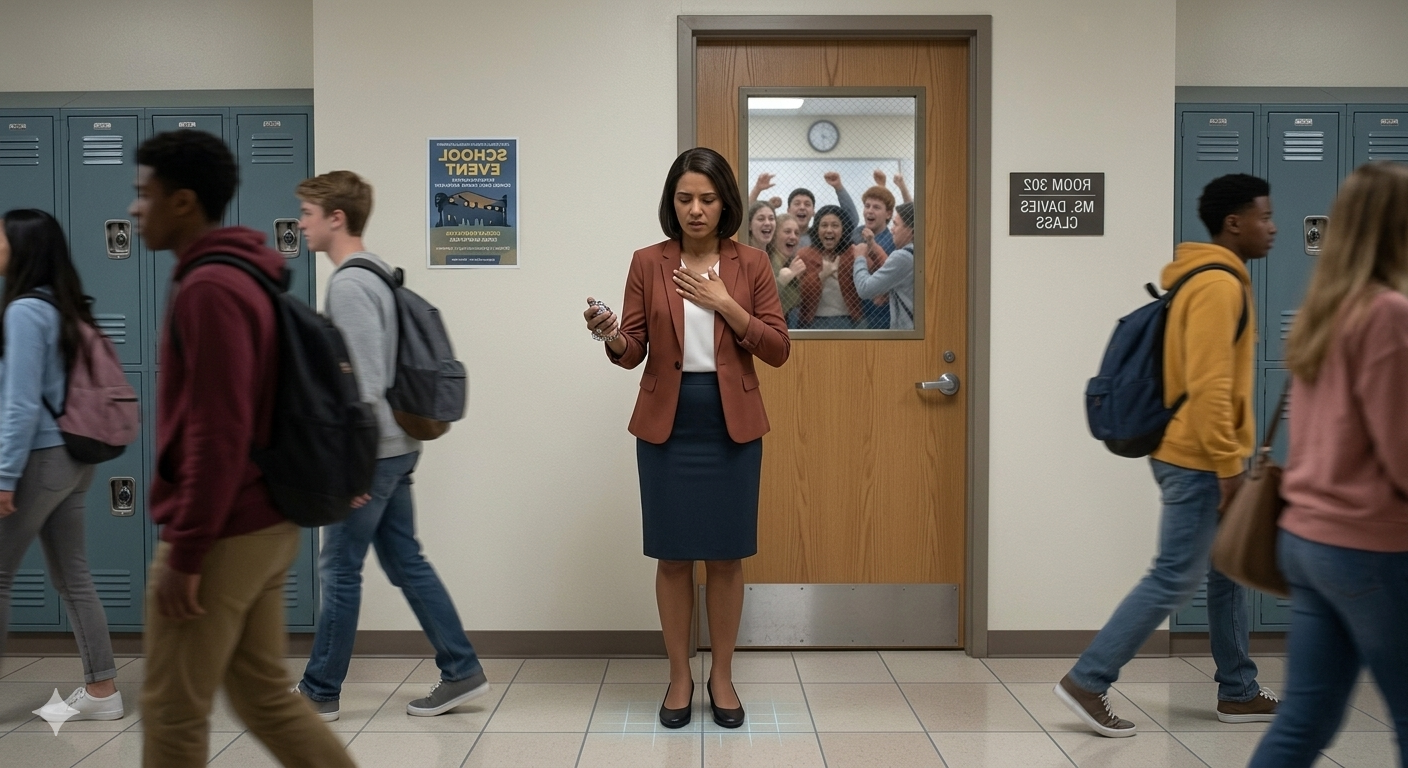
Last week you practiced noticing the story your mind writes in the first three seconds. The next question is closer to the body: what do you do in your own physiology before you address anyone else? The culture in your program is built on what you model in those seconds, because your staff take their cue from your state long before they listen to your words, and your children take theirs from your staff. A director who settles their own body before responding creates a current the whole team can follow, and one who does not create that current in the other direction. This is why your emotional intelligence is program infrastructure, not a private concern. Adult regulation precedes child regulation, not as a principle but as a biological fact, and what you build is built on what your body does before your words arrive.
Your emotional intelligence focus this week: self-management. When the next flashpoint finds you, take one breath and locate the tension in your body before you say a word. You are not pausing to plan your response. You are giving your nervous system the seconds it needs to shift out of threat mode, so that what you bring to the moment is a decision and not a reflex.
With dignity and purpose,
Dr. Toledo
Sonia Toledo, PhD
Founder and CEO, Dignity of Children
Author, Beyond Supervision
Next Week
Next week we move to the Executive Function link of the Belief-to-Outcomes framework: Once the body is settled, which specific skill is actually missing under this behavior?

THIS WEEK'S FOCUS:
NERVOUS SYSTEM
What do I do in those three seconds, in my own body first, before I address anyone else’s?
Before your body has settled from the last disruption, your nervous system has already read the next one as a threat. That is where the Nervous System link begins, one layer below the belief you examined last week: your autonomic nervous system responds before your conscious mind can intervene, and the child in front of you reads your physiology before they hear a word you say. This is not a failure of composure. It is your nervous system doing what it evolved to do, which is to protect you. The problem is not that it happens. The problem is that the child’s nervous system aligns with yours in real time, whether yours is regulated or not.
Eva Oberle and Kimberly Schonert-Reichl demonstrated this directly in 2016. They studied 406 elementary school students and found that students in classrooms with higher teacher burnout had significantly elevated morning cortisol levels, a biological marker of chronic stress (Oberle & Schonert-Reichl, 2016). It was the first study to show that a teacher’s occupational stress travels into the bodies of the children in their care. The teacher’s nervous system state was not a private experience. It was a classroom condition, measurable in the children’s saliva.
This is the physiological mechanism behind co-regulation, and it is why self-management is not self-care. When a director regulates their own body before responding to a flashpoint, they are not tending to their own well-being. They are producing the biological condition under which a dysregulated child can come down. A child whose nervous system is in threat mode cannot hear your words, process your correction, or learn the skill you are trying to teach. They can only match your state. If your state is calm, their body has something to move toward. If your state is escalated, you have just confirmed the threat.
The evidence for what happens when adults are trained to regulate is clear. Joana de Carvalho and colleagues conducted a randomized trial in 2021 with 228 elementary school teachers and over 2,400 of their students. Teachers in the intervention group received mindfulness-based training focused on social-emotional competencies, including self-regulation. After the intervention, these teachers showed significant increases in emotional regulation and well-being, and significant decreases in burnout (de Carvalho et al., 2021). But the finding that matters here is what happened to the students. Children in the intervention of teachers’ classrooms reported significant improvements in the quality of their relationship with the teacher, their own effect, and their social competencies. The teachers regulated themselves, and the students in their rooms changed with them.
This is the Nervous System link in the Belief-to-Outcomes framework. The belief you hold about a child tells you what to look for; the state of your nervous system tells the child what to feel. The order is fixed: you regulate your own body first, and you do it because the child’s body is listening to yours before it listens to anything you say.
A REFRAME TOOL FOR THE WEEK
The Sixty-Second Reset: Before the Flashpoint
When you feel your body respond to a situation, before you walk into the room or open your mouth, take sixty seconds:
- Plant both feet on the floor. Feel the contact.
- Take three breaths, each one slower than the last. Exhale longer than you inhale.
- Name what you feel in your body, silently, in plain language: “My jaw is tight. My heart is fast.”
- Drop your shoulders away from your ears.
- Say to yourself: “This is behavior, not an emergency. My body is reading it as a threat. I am safe enough to respond.”
Then walk in.
Source and reading
Oberle, E., & Schonert-Reichl, K. A. (2016). Stress contagion in the classroom? The link between classroom teacher burnout and morning cortisol in elementary school students. Social Science & Medicine, 159, 30-37. https://doi.org/10.1016/j.socscimed.2016.04.031
de Carvalho, J. S., Oliveira, S., Roberto, M. S., Gonçalves, C., Bárbara, J. M., de Castro, A. F., Pereira, R., Franco, M., Cadima, J., Leal, T., Lemos, M. S., & Marques-Pinto, A. (2021). Effects of a mindfulness-based intervention for teachers: A study on teacher and student outcomes. Mindfulness, 12(7), 1719-1732. https://doi.org/10.1007/s12671-021-01635-3
One Small Step this Week
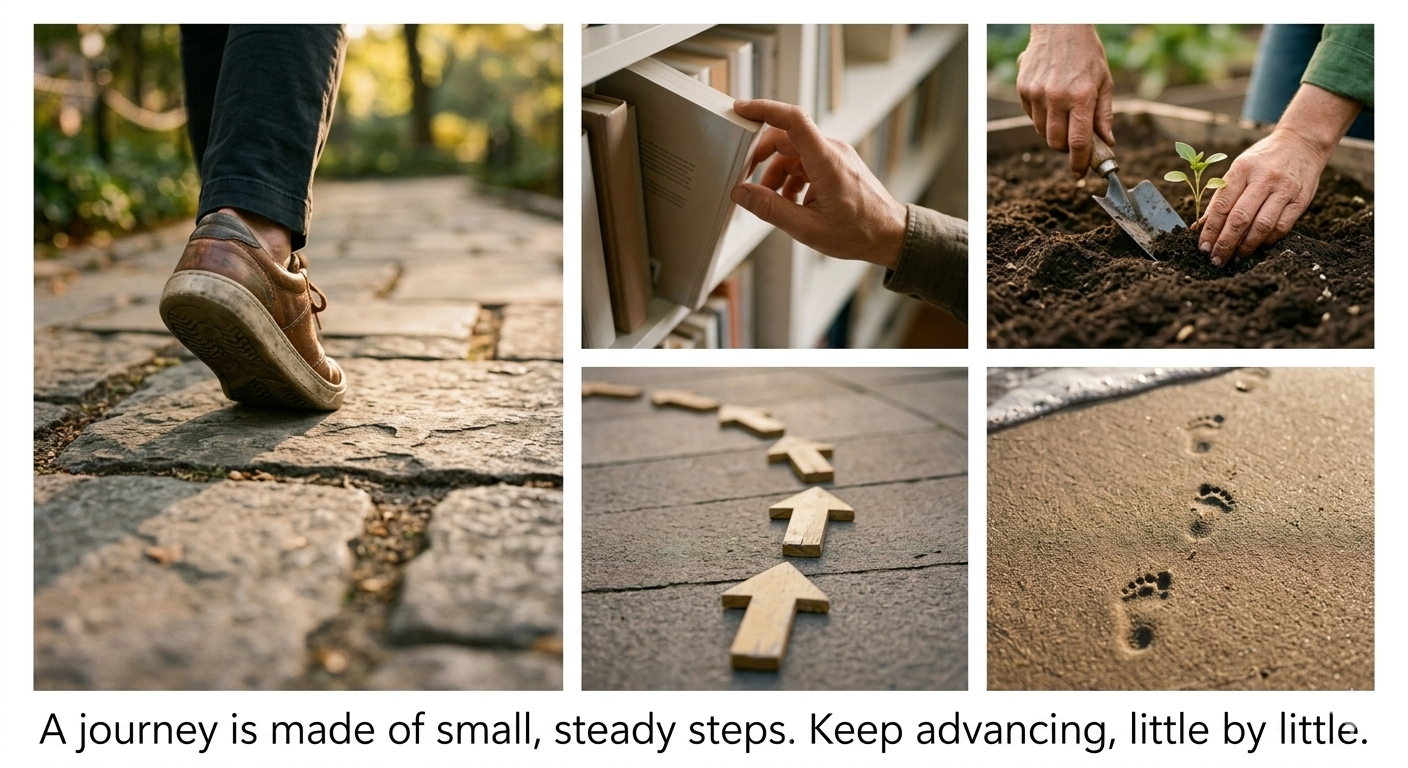
Teach the sixty-second reset to your full staff at the next team meeting. Walk them through it once, then ask each person to try it with a real situation from the past week. Ask one staff member to keep the script visible in their room for the next seven days. You are not asking them to be calm; you are giving them a concrete step that makes regulation something they do, not something they are supposed to be.

SECTION 6 · PARTNER HIGHLIGHT
We Cannot Do This Work Alone
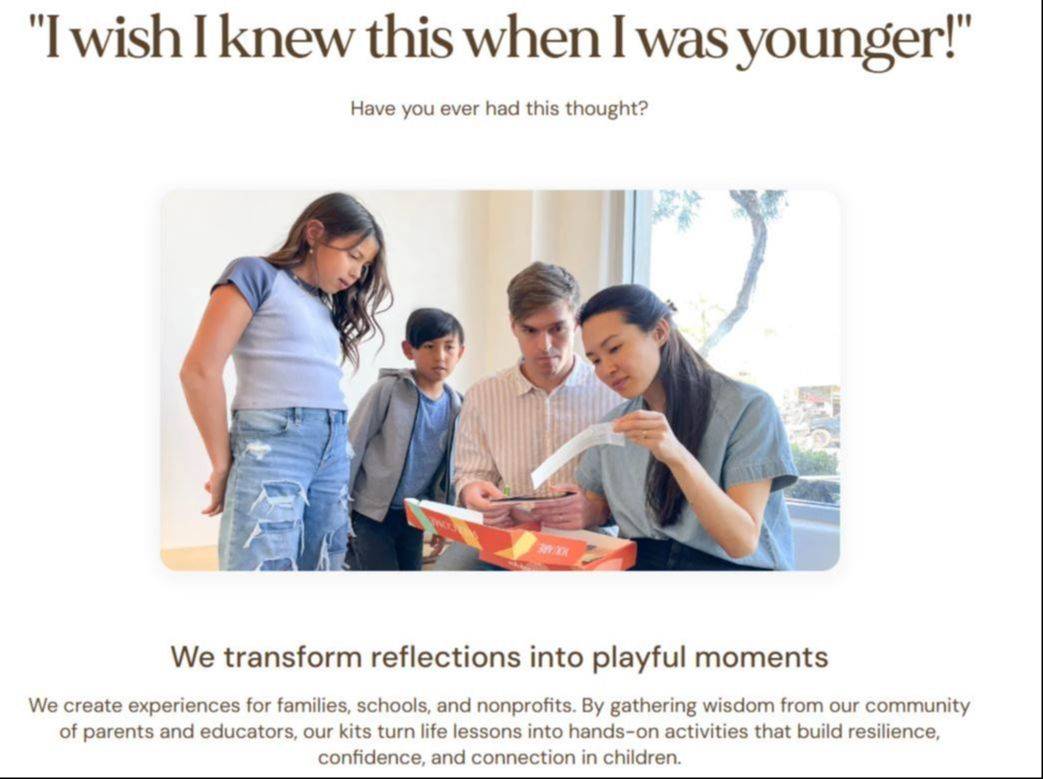
None of us builds a strong program in isolation. The leaders who go the furthest are the ones who surround themselves with partners, resources, and people who strengthen the work. Each week I will introduce a resource you can add to your own toolbox, so that over time you build a network you can lean on instead of carrying everything yourself.
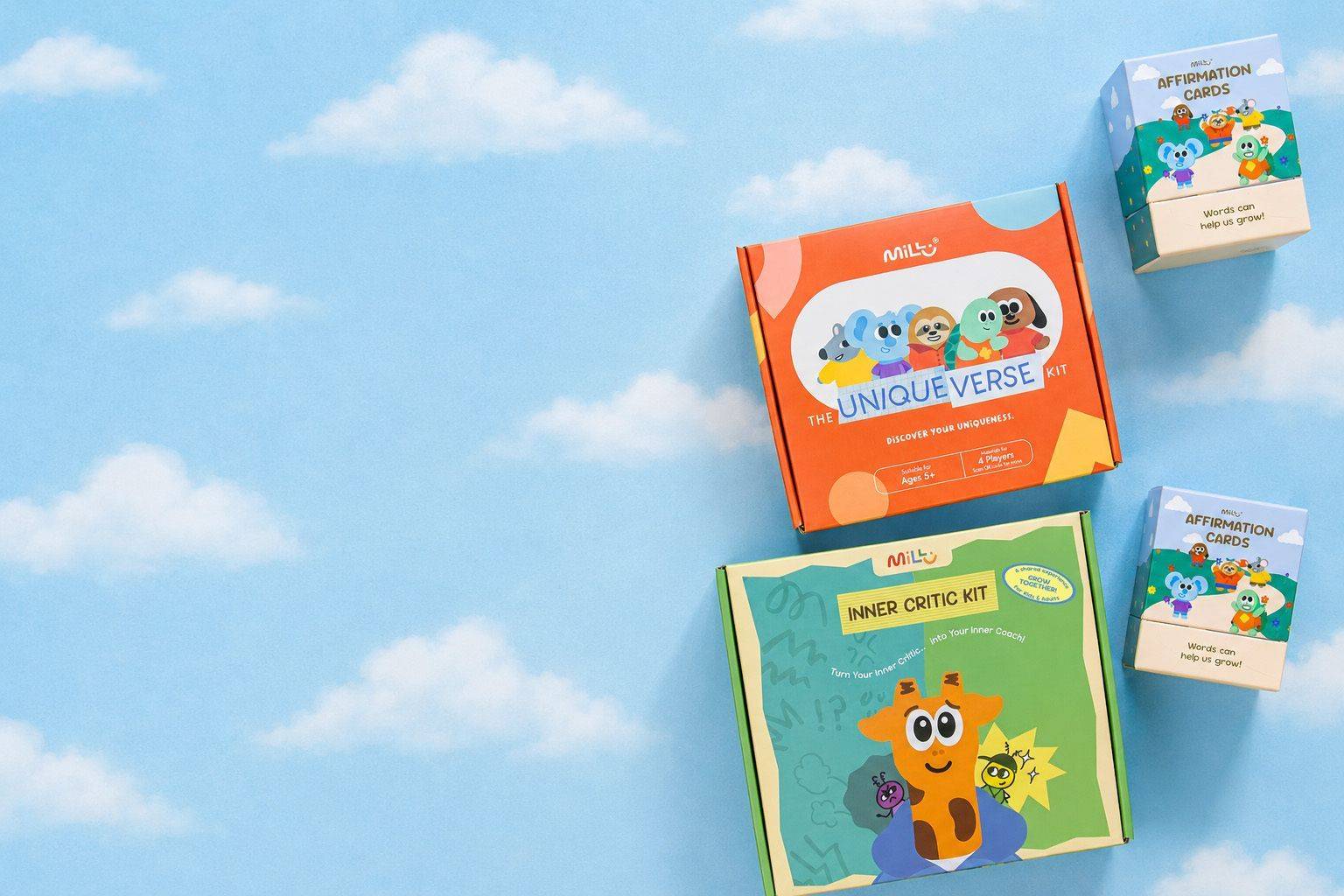
This week's partner is MILLU, a company that helps after-school programs turn important life lessons into engaging, hands-on experiences children remember.
Many program leaders know what they want to teach: belonging, emotional resilience, empathy, confidence, and healthy relationships, but finding activities that busy staff can facilitate consistently is another challenge. MILLU was created to bridge that gap.
Instead of asking staff to build social-emotional learning lessons from scratch, MILLU provides immersive, play-based experiences that transform big life concepts into meaningful moments of connection, conversation, creativity, and play.
Designed specifically for after-school and expanded learning programs, MILLU includes:
- 20-40 minute ready-to-facilitate sessions with everything needed to lead each experience
- A complete Facilitator Guide with step-by-step instructions, discussion prompts, and extension activities for your staff to gain confidence
- All physical materials included, eliminating hours of preparation
- Screen-free, hands-on activities grounded in play therapy, neuroplasticity, and experiential learning
- English and Spanish editions to better serve diverse communities
- Flexible implementation for after-school programs, summer learning, classrooms, and family engagement nights
- Professional development workshops that equip staff to create emotionally safe spaces where children can thrive
MILLU's flagship Uniqueverse Kit helps children discover that their uniqueness is a strength while building self-awareness, confidence, communication skills, and healthy peer relationships. Because every activity is experiential, children do more than learn these concepts—they practice them.
Trusted by organizations including YMCA programs, Boys & Girls Clubs, KIPP SoCal, school districts, and community organizations, MILLU offers a practical way to make social-emotional learning engaging, consistent, and easy for staff to facilitate.
One resource to explore this week: If your team is looking for ready-to-use SEL experiences that require minimal preparation while building belonging, confidence, and trust, explore MILLU at millubox.com.
JOIN ME IN CELEBRATING MY MILESTONE
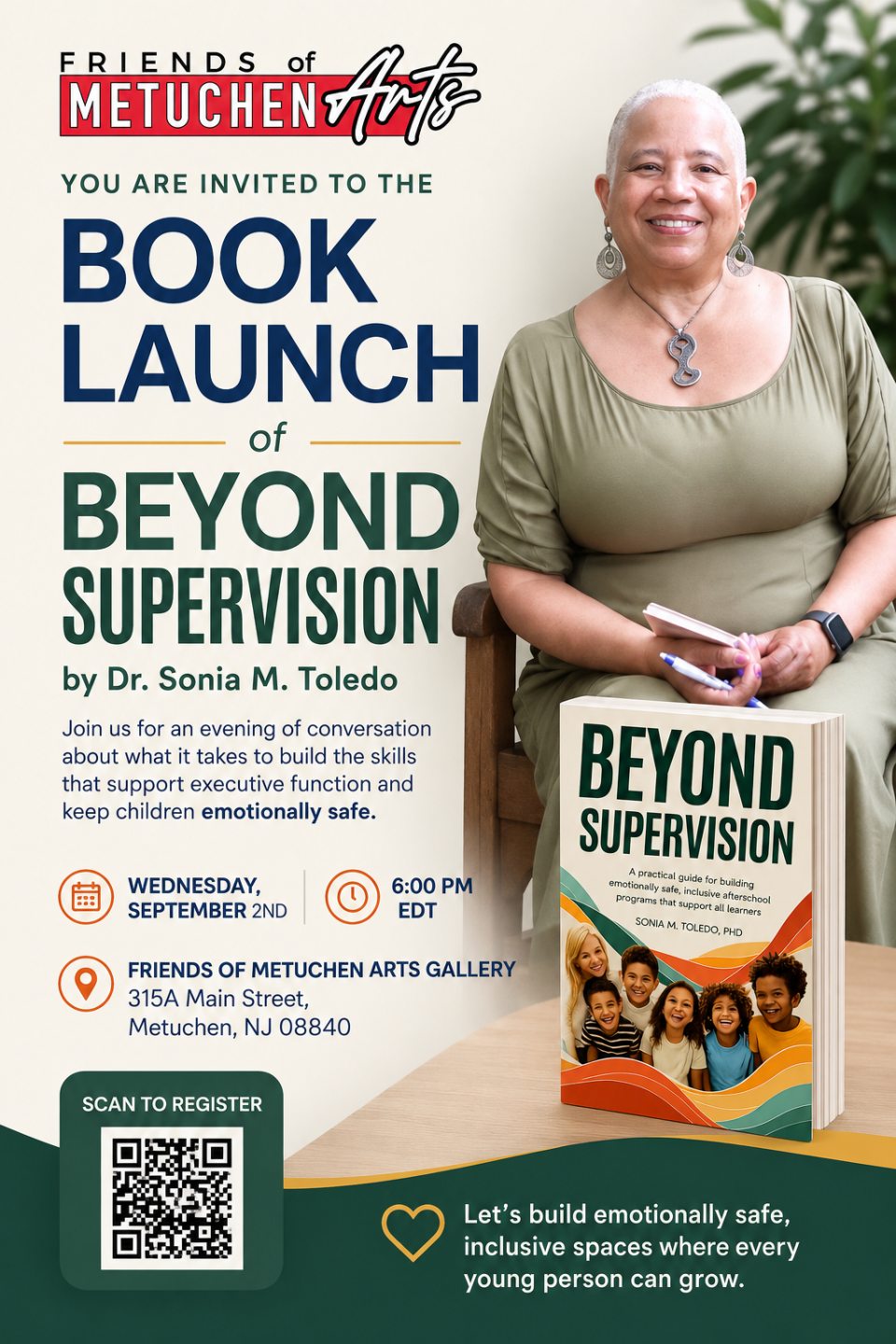
Beyond Supervision walks through all five links of the From Belief to Outcomes framework: Belief, Nervous System, Executive Function, Systems, and Outcomes. Buy the book here. If it has helped your practice, leave a review here.
A Question to Carry into the Week
What did your body bring to the last moment that needed you calm?
With dignity and purpose,
Dr. Toledo
Sonia Toledo, PhD · Founder and CEO, Dignity of Children · Author, Beyond Supervision
P.S.
If this issue spoke to the work you are doing, join our Safe To Thrive Community: https://bit.ly/4g2tM4y
If you know one colleague or leader who needs this, forward this issue to them. They can sign up for The Weekly Practice




Join the Safe to Thrive movement HERE
Get your Copy Beyond Supervision
Enroll to Lead with Heart & Mind: 6-Week Guided Transformational Journey HERE
Book Professional Development Workshops for Educators HERE
Book Professional Development Workshops for Leadership HERE
Register for Director's Lab 2.0 - a program for Supervisors and Directors
To discuss your training needs, schedule a one-on-one consultation with me HERE
Dignity of Children
The Weekly Practice · Building quality through discipline, adjustment, and consistency.