DIGNITY OF CHILDREN · DR. TOLEDO
The Weekly Practice
Issue No. 08 Week of August 11th, 2026 Focus: Outcomes
A Message to the Program Leader
Last week I asked you to protect yourself inside a crowded hour, and I hope you managed to hold onto even a small piece of it. This week I want to say plainly what your role asks of you, because it is rarely named out loud. You keep an entire set of relationships alive at the same time, the ones you hold with your staff, the ones your staff hold with your children, and the ones your program holds with the families who trust you with their afternoons. Sustaining all of them well, under the real limits of time and people, is the actual labor of leadership, and it draws more of you than any single line on your task list.
None of that weight is a verdict on your ability; it is simply what the work weighs. Your own self-management belongs to the program rather than to your private life, because the adults in your building set the emotional tone the children take in, and a leader who tends her own motivation and sense of agency is keeping the one instrument the whole program depends on in working order. Emotional intelligence in the adults is what makes emotional growth possible in the children they serve, and this week's teaching turns to the fifth and final link of the From Belief to Outcomes framework, outcomes, and to how you read what your program is producing so the next cycle improves on the last.
Your emotional intelligence focus this week: motivation and self-agency. Once this week, notice a moment when you are waiting for a circumstance to change before you feel able to act, and choose one small thing that is genuinely within your control to move instead. You are not forcing optimism. You are practicing the reminder that your sense of agency is something you generate rather than something the day hands you, and it is the same capacity you are trying to grow in every child you serve.
Next week we begin the climb again at the first link of the framework, belief, carrying forward everything this cycle taught us. The question returns to where all of it starts, the story you tell yourself in the first three seconds of a hard moment, and how that story decides what you build next.
With dignity and purpose,
Dr. Toledo
Sonia Toledo, PhD, Founder and CEO, Dignity of Children, Author, Beyond Supervision

THIS WEEK'S FOCUS:
OUTCOMES
Outcomes are the last link because they are where the other four reports back to you. A program is always producing something, whether anyone is reading it, children who lean in or drift, staff who take initiative or wait to be told, an afternoon that builds or merely passes. The common mistake is to treat outcomes as a verdict delivered at the end, a grade on effort already spent. They are better understood as information the program is handing you while there is still time to use it, and the leaders who improve are the ones who learn to read that information and feed it back into the next routine rather than filing it away as a score.
How much feedback loop matters have been measured directly. In a synthesis of hundreds of studies on what improves learning, researchers found that feedback is among the most powerful influences on achievement, but that its power depends entirely on its direction. Feedback that told a learner where they were going, how they were doing against that goal, and what to do next raised performance, while feedback aimed at the person rather than the work, praise and grades detached from any next step, did little or even lowered it (Hattie & Timperley, 2007). The lesson for a program is that reading an outcome is only half the loop, because the outcome must be turned back into a specific, usable next move, or it does not work at all.
The second finding tells you which outcomes are worth reading most closely. Decades of research on human motivation converge on a simple structure: that people sustain effort and grow when three needs are met, the sense that they have some real choice in what they do, the sense that they are becoming capable at it, and the sense that they belong with the people around them (Ryan & Deci, 2000). Motivation built on those conditions holds up on its own, while motivation driven only by rewards and pressure fades now the pressure lifts. When you read your program's outcomes, the deepest signal is not compliance in the moment; it is whether your children and your staff are showing more self-directed effort over time, because that is the outcome that keeps producing the others.
For you as the leader, this turns outcomes from a judgment into a practice. Rather than asking at the end of a week whether it went well, you begin asking what the week is telling you, in the specific behaviors of the children and the specific initiative of your staff, and what one adjustment that reading calls for next. An outcome read this way is never final, because it feeds the next cycle of belief, regulation, skill, and system, and the framework becomes a loop you refine rather than a line you finish. This is also where your own motivation is renewed, since a leader who can see what her program is producing and can act on it is a leader with real agency rather than one waiting on results to arrive.
Source and reading: Hattie, J., & Timperley, H. (2007). The power of feedback. Review of Educational Research, 77(1), 81-112. Ryan, R. M., & Deci, E. L. (2000). Self-determination theory and facilitation of intrinsic motivation, social development, and well-being. American Psychologist, 55(1), 68-78.
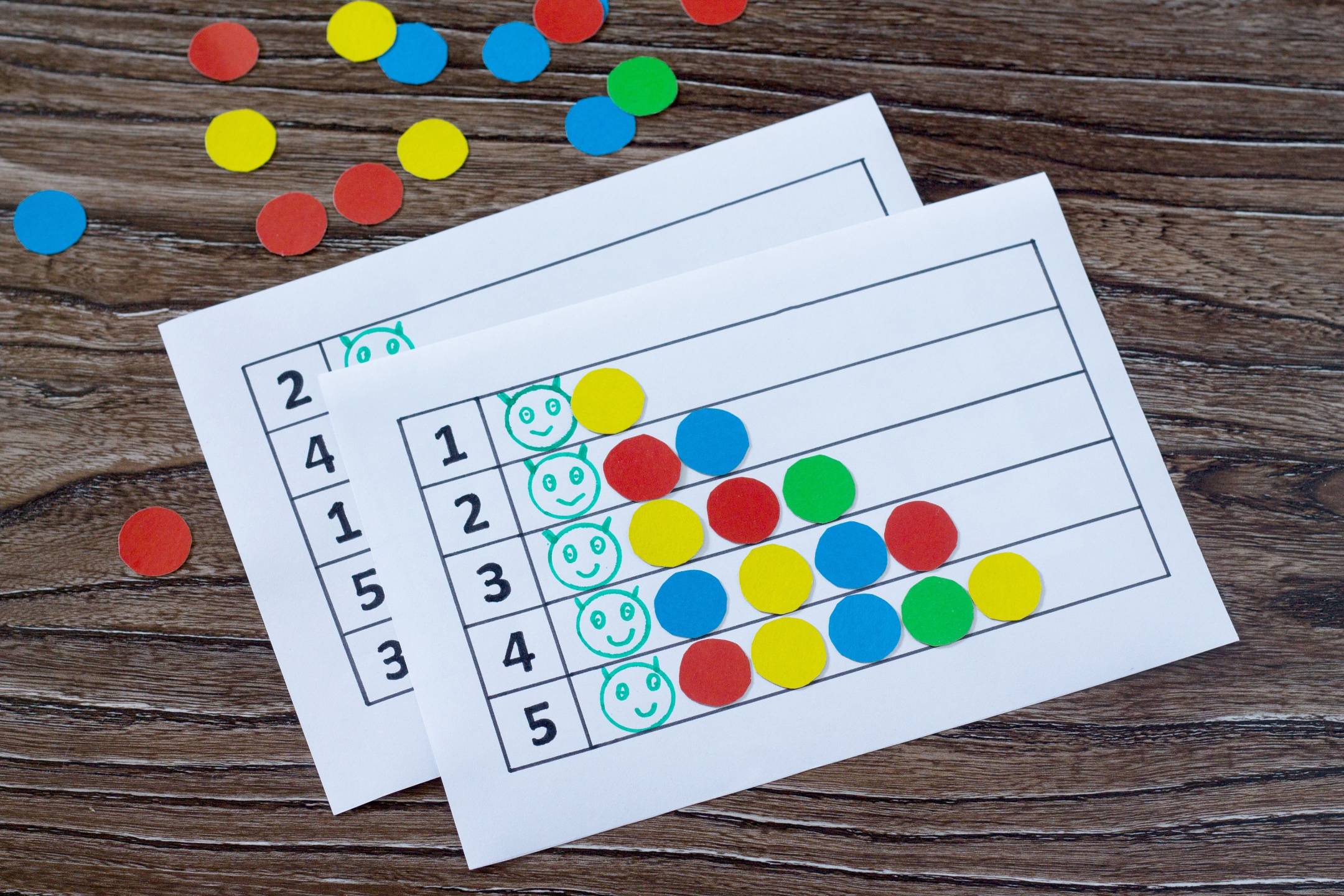
A SIMPLE OUTCOME TRACKER FOR THIS WEEK
Reading outcomes does not require a data system. It requires a small, deliberate habit of noticing, kept consistent enough that patterns can surface. Here is a light tracker you can keep for one week, on a single index card or a note on your phone, built to catch the signals that matter most rather than everything at once. Choose one child and one staff member to watch and record only a few things each day.
Each day, note one moment when the child or the staff member showed self-direction, an initiative taken, a choice made well, a problem handled without being told. You are not tracking misbehavior, which already draws your attention on its own. You are tracking the outcome you actually want more of, because what you count is what you begin to see, and what you see is what you can build on.
At the end of each day, write a single sentence naming what you think produced that moment. Perhaps a routine gave the child room to choose, or a clear expectation to let the staff member act without checking first. This is the feedback step, the point where an outcome stops being a pleasant thing that happened and becomes information about which of your systems is working.
After three or four days, look across your notes for one condition that keeps appearing underneath the good moments. Then make one small change to strengthen it: the same routine offered in another part of the day, the same room to choose, extended to another child or another staff member. You are feeding the outcome back into the design, which is the entire purpose of this link.
At the end of the week, read the card as a whole and notice what it does to your own sense of the work. Leaders spend most of their attention on what is going wrong, and a week of recording what is going right, and why tends to restore the very motivation the pressure of the job wears down. That renewal is not a side effect. It is an outcome too, and it is the one that keeps you in a position to lead the next cycle well.
One Small Step this Week
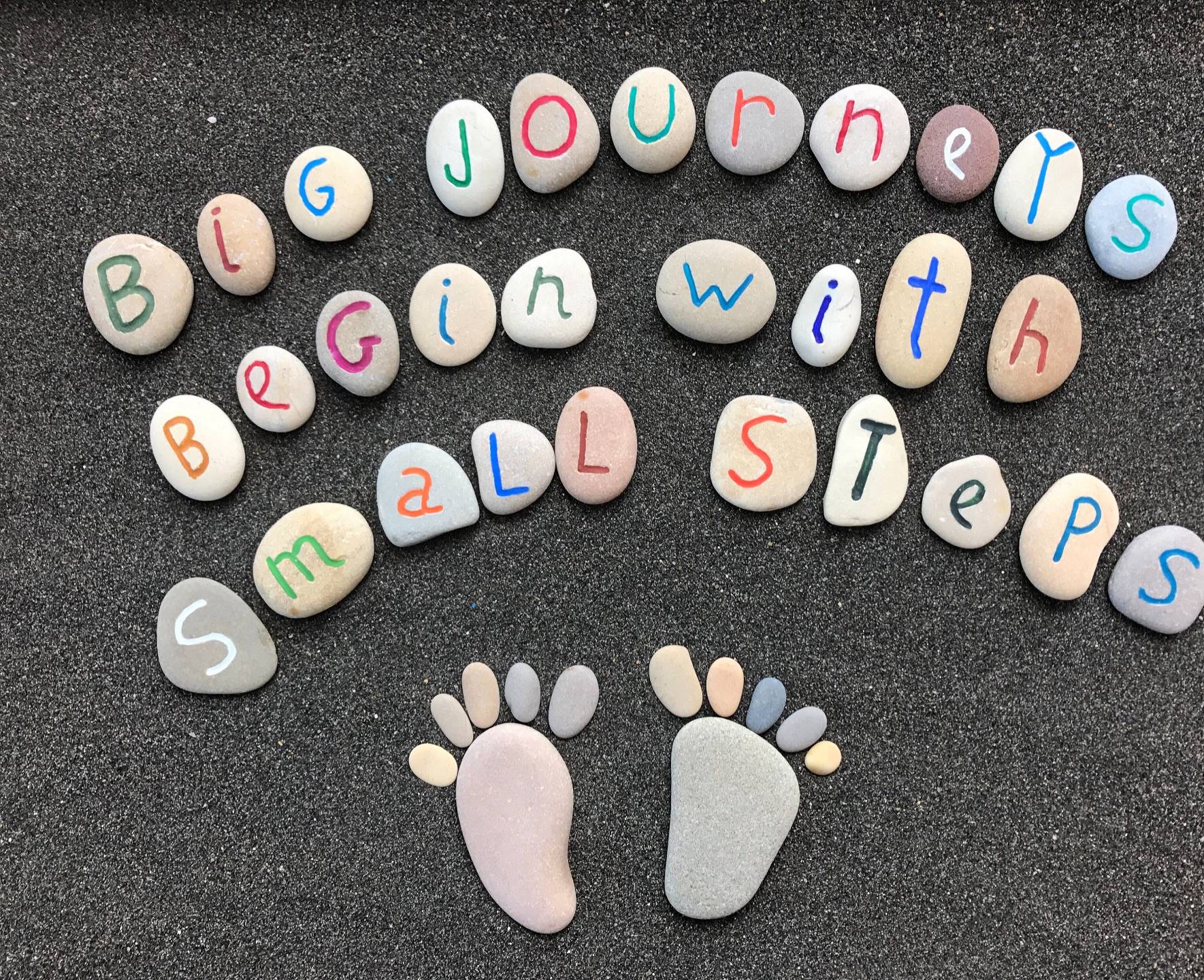
This week, choose one routine you put in place recently, and give it a single, honest read against what it was meant to produce. Gather the staff who run it for ten minutes, ask them what they are actually seeing in the children since it began, and decide together on one adjustment for the week ahead. Turning out a routine you already built into something you measure and refine, rather than something you set and forget, is a program decision, and it is what separates a system that ages well from one that quietly stops working.

What Staff Are Saying About From Our Training
Our workshop, Professionalism In the Workplace, in the words of the staff who took it.
Dignity of Children leads professional development workshops for afterschool and youth program staff, built on the same practices this newsletter works through, from the From Belief to Outcomes framework to the daily work of regulation, relationship, and program culture. To bring a workshop to your team, book a conversation at dignityofchildren.com/afterschool-staff-workshops.
Professionalism In the Workplace
This workshop will explore how professionalism is cultivated and promoted within the organization's culture. Participants will explore and reflect on their own attitude and behaviors in the workplace. Using the five developmental skills of emotional intelligence, which are self-awareness, self-regulation, motivation, empathy, and decision-making, participants will collaboratively brainstorm how to enhance professionalism in the work community. They will understand how a positive first impression and successful interpersonal relationships will leave a lasting reputation within the organization and industry.
“I learned a lot about team work and how to work well together and what is needed.”
— Corina White, Vanderbilt YMCA
“It went great and I learned a lot about myself and others.”
— Mamemor Ndiaye, Vanderbilt YMCA

PARTNER HIGHLIGHT
We Cannot Do This Work Alone
Transforming Classrooms with YIPPEE Exchange & Dignity of Children
How We Are Bridging Emotional Intelligence and Real-World Learning to Build the Next Generation of Active Changemakers.
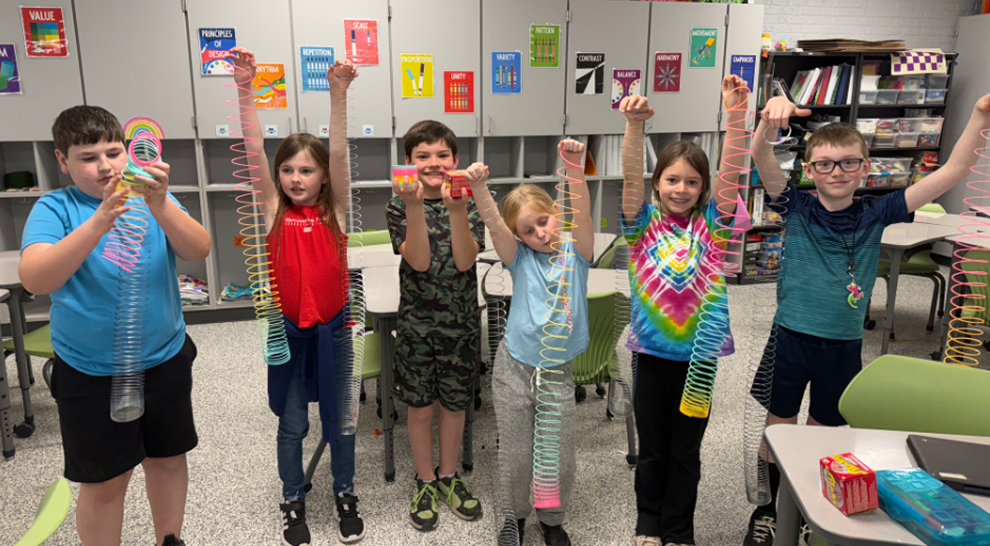
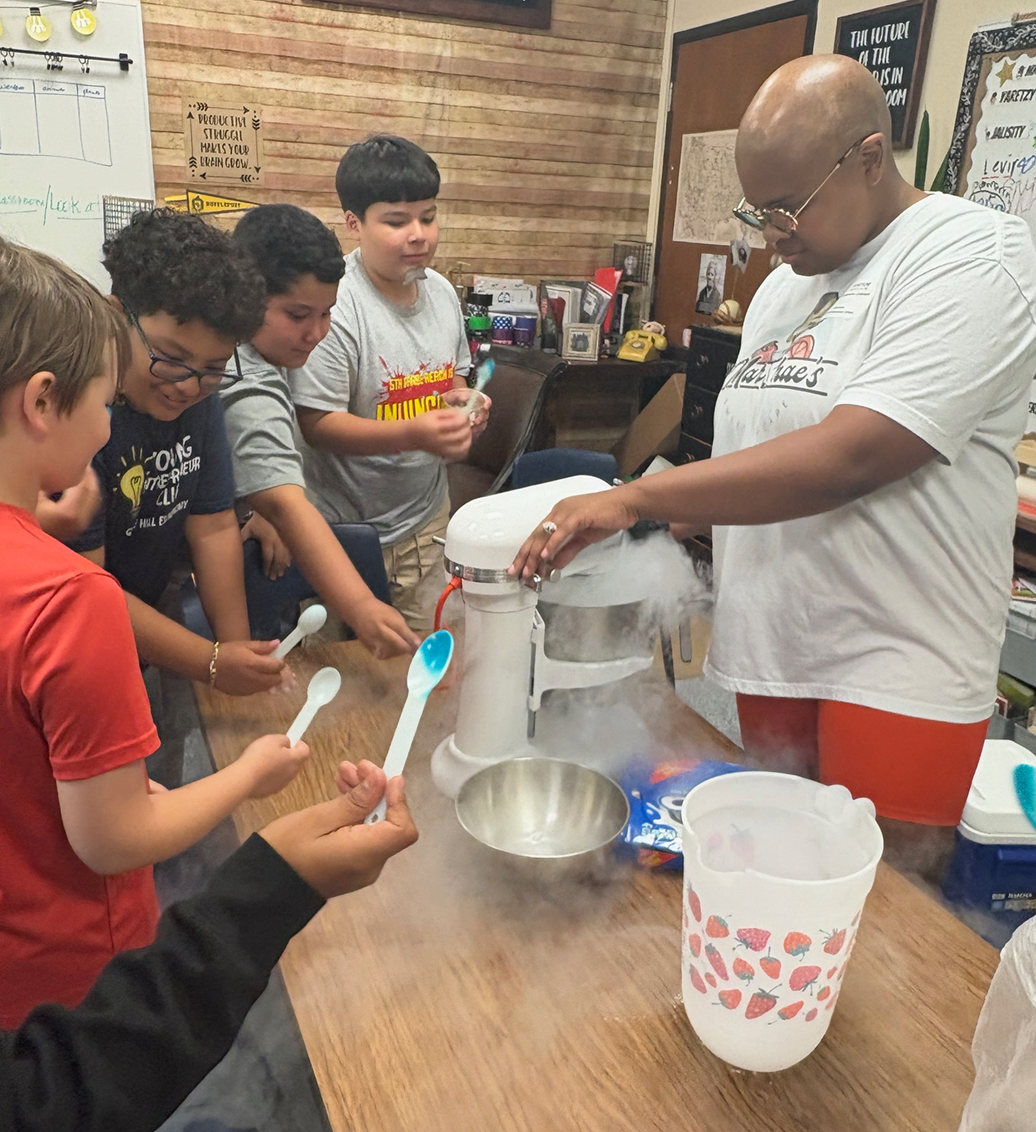
At Dignity of Children, our foundational work is rooted in the belief that true youth development requires nurturing both emotional intelligence and a profound sense of self-agency. We know that young people thrive when they are treated not merely as passive recipients of a program, but as active co-creators of their own futures. This week, we are thrilled to spotlight our powerhouse partnership with the YIPPEE Exchange, a curated entrepreneurial marketplace that shares our exact vision for preparing youth for what comes next.
Through the YIPPEE platform, we are making our high-impact, Project-Based Learning (PBL) curricula accessible to educators across the country, expanding learning so that every student can discover what they are genuinely capable of achieving.
Cultivating the Mindsets That Matter
Decades of research on human motivation show that individuals sustain effort and grow when three basic needs are met: autonomy (choice), competence (capability), and relatedness (belonging). The YIPPEE marketplace connects classrooms with real-world entrepreneurial tools that hit every single one of these marks. By introducing entrepreneurship education, we give students a platform to practice critical soft skills in real-world contexts, helping them adopt vital mindsets:
- Opportunity-Seeking: Learning to find innovative ways to improve their environments.
- Critical Thinking: Considering the complex wants and needs of people to make deliberate decisions.
- Growth Mindset: Embracing risks and understanding that skills improve with effort and practice.
Our Featured Curricula on YIPPEE
Educators using the YIPPEE Exchange can seamlessly redeem points or funding to access Dignity of Children’s premier project-based learning modules, designed to turn students into real-time problem solvers:
- Climate Change PBL Curriculum: Empowers youth to tackle global environmental realities through scientific exploration, collaborative teamwork, and proactive local advocacy.
- Community Organizing PBL Curriculum: Teaches students how to safely analyze local challenges, listen to their peers, and systematically build actionable solutions for their neighborhoods.
Building the Feedback Loop
When we give young people the tools to shape their communities, we also hand them the responsibility to read the outcomes of their work. This collaboration bridges the gap between thinking and doing. It turns education from a passive routine into a dynamic feedback loop where youth track their own progress, adjust their strategies, and generate their own motivation.
We invite our entire community of educators, program directors, and sponsors to explore how these hands-on entrepreneurial experiences can spark imagination and resilience in your building.
TRENDS IN YOUTH DEVELOPMENT
One of the clearer shifts in the field right now is the move to treat young people not only as the recipients of a program but as the readers of its outcomes. Through the Powered by Youth Voice initiative, Every Hour Counts and Youthprise worked with a team of youth researchers to survey more than a thousand young people across over three hundred afterschool programs about what they experience and what they would change. More than nine in ten reported that they feel respected, are listened to, and trust the adults in their programs, and nearly six in ten said their program had improved their life very much or quite a bit (Every Hour Counts, n.d.). The finding lands squarely on this week's focus, because the outcomes that matter most are the ones the children themselves report, their sense of trust, belonging, and agency, and a program that asks young people what it is producing, and then adjusts, is running the exact feedback loop this issue describes. Building even a small channel for youth voice is not a gesture. It is a way of reading your outcomes at the source.
Source and reading: Every Hour Counts. (n.d.). Powered by youth voice: Future directions for afterschool. Retrieved August 3, 2026, from https://www.everyhourcounts.org/youthengagement
JOIN ME IN CELEBRATING MY MILESTONE
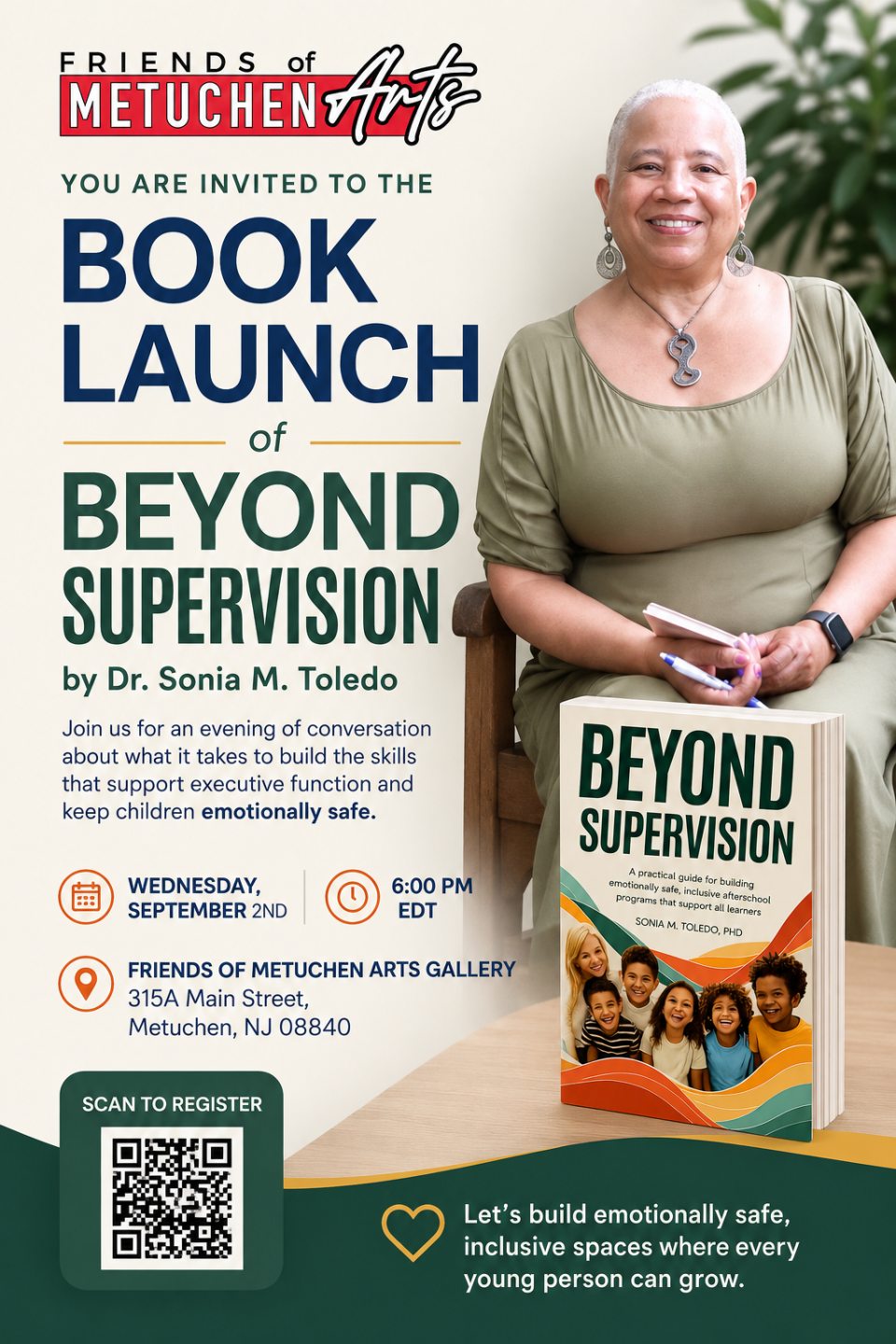
Beyond Supervision walks through all five links of the From Belief to Outcomes framework: Belief, Nervous System, Executive Function, Systems, and Outcomes. Buy the book here. If it has helped your practice, leave a review here.
A Question to Carry into the Week
What is one thing within my control that I could move this week, instead of waiting for the circumstances around it to change?
With dignity and purpose,
Dr. Toledo
Sonia Toledo, PhD · Founder and CEO, Dignity of Children · Author, Beyond Supervision
P.S. If this issue named something real about your week, forward it to one colleague or leader who works the same repeating afternoons you do, and invite them to sign up for The Weekly Practice so it reaches them directly each week. (add the link to opt-in to the newsletter here)



Join the Safe to Thrive movement HERE
Get your Copy Beyond Supervision
Enroll to Lead with Heart & Mind: 6-Week Guided Transformational Journey HERE
Book Professional Development Workshops for Educators HERE
Book Professional Development Workshops for Leadership HERE
Register for Director's Lab 2.0 - a program for Supervisors and Directors
To discuss your training needs, schedule a one-on-one consultation with me HERE
Dignity of Children
The Weekly Practice · Building quality through discipline, adjustment, and consistency.