
DIGNITY OF CHILDREN · DR. TOLEDO
The Weekly Practice
Issue No. 15 Week of October 1st, 2026 Focus: Belief
A Message to the Program Director
The work you do this week will still be shaping your community twenty years from now, long after this season's attendance counts are forgotten. You are not simply running a program; you are teaching a generation of children what safety and belonging feel like, and that outlasts every report you will ever file. So when a child melts down in the cafeteria line, when a staff member starts crying in the supply room, when a parent arrives upset about something that happened before the day even began, you absorb it and keep everything moving. None of it means you are failing. It means the work is genuinely hard, and it lands on you first.
Here is what I want you to hold onto this week. The culture of your program will not arrive in a box from a curriculum publisher or a tighter behavior policy. You will build it, and the first material you build with is belief: what you and your staff believe a child's behavior means. When a negative behavior is read as a request to learn an executive function skill, and when your relationships with staff and families help you see the need underneath it, the whole program starts producing something different. That is the most dependable influence you have, and you can act on it today without waiting for anyone's approval. It is also why your own emotional intelligence is program infrastructure, not a personal wellness matter. A director who can see her own first story before acting on it makes clearer decisions under pressure, holds staff accountable without escalating them, and gives every child in the building an adult whose reading of them can be trusted.
Your emotional intelligence focus this week: self-awareness. Before you respond to the next hard moment, take three seconds and name the story you are telling yourself about what is happening. You are not deciding what to do yet. You are reading your own first draft before you publish it.

THIS WEEK'S FOCUS:
Belief
In the three seconds between the behavior and your response, a story gets written. Nobody drafts it out loud. It arrives as a reflex: he is doing this on purpose, she does not care, they know exactly what they are doing. That story is the first link of the Belief-to-Outcomes framework, and it decides what you build next, because the story determines the response, the response shapes the relationship, and the relationship becomes the culture.
Robert Rosenthal and Lenore Jacobson showed how far this reaches. In their 1968 study, teachers were told that certain students had been identified by a special test as intellectual bloomers about to make remarkable gains. The students had actually been chosen at random. Months later, those students showed greater measured gains than their classmates, because the teachers' belief about them changed how the teachers treated them: more patience, more warmth, more room to struggle and recover. The children rose to meet a story that had been invented about them, and the researchers called the book that carried the finding Pygmalion in the Classroom.
Walter Gilliam and his team at the Yale Child Study Center found the same mechanism cutting the other way. In their 2016 study, preschool teachers were asked to watch a video of children and press a key when they saw challenging behavior. The teachers' eyes lingered longer on the Black children, especially the Black boys, even though the children in the video were behaving identically. And when teachers were asked to recommend suspension or expulsion for a child described as acting out, their answers shifted with the child's race and the teacher's own race. No child in that study did anything different. The story in the first three seconds was doing all the work.
This is why belief sits first in the framework, before Nervous System, Executive Function, Systems, and Outcomes. The belief is not an attitude floating above the program. It is the operating code of every response that follows, and it runs before you have finished forming your first sentence.
The good news is that the story is a draft, not a fact. Naming it takes three seconds, and rewriting it costs nothing. Below is a reframe tool your whole team can use.
The Framework Review: When Behavior Feels Personal, Try a Different Story
Before we respond to challenging behavior, it helps to pause and question the story we are telling ourselves about what is happening.
| The fast story | The truer story to try |
|---|---|
| He is doing this on purpose. | He is showing me a skill he does not have yet. |
| She does not care about this program. | She is protecting herself the best way she knows how. |
| They are pushing my buttons. | They are telling me where our system stops supporting them. |
| That parent is attacking me. | That parent is scared and has no better way to say it. |
The story we tell ourselves shapes how we respond. When we replace assumptions about intention with curiosity about unmet skills, needs, and support, we create more room for connection, regulation, and meaningful behavior change.
Source and reading:
Rosenthal, R., & Jacobson, L. (1968). Pygmalion in the Classroom: Teacher Expectation and Pupils' Intellectual Development. Holt, Rinehart & Winston.
Gilliam, W. S. (2016). Do Early Educators' Implicit Biases Regarding Sex and Race Relate to Behavior Expectations and Recommendations of Preschool Expulsions and Suspensions? Yale University Child Study Center.
With dignity and purpose,
Dr. Toledo
Sonia Toledo, PhD
Founder and CEO, Dignity of Children
Author, Beyond Supervision
One Small Step this Week
Choose the one behavior most likely to show up in your program this week. Write down the story your team tells about it in the first three seconds, then rewrite that story as a skill the child is asking to learn, and post both versions where your team plans together.

SECTION 6 · PARTNER HIGHLIGHT
We Cannot Do This Work Alone
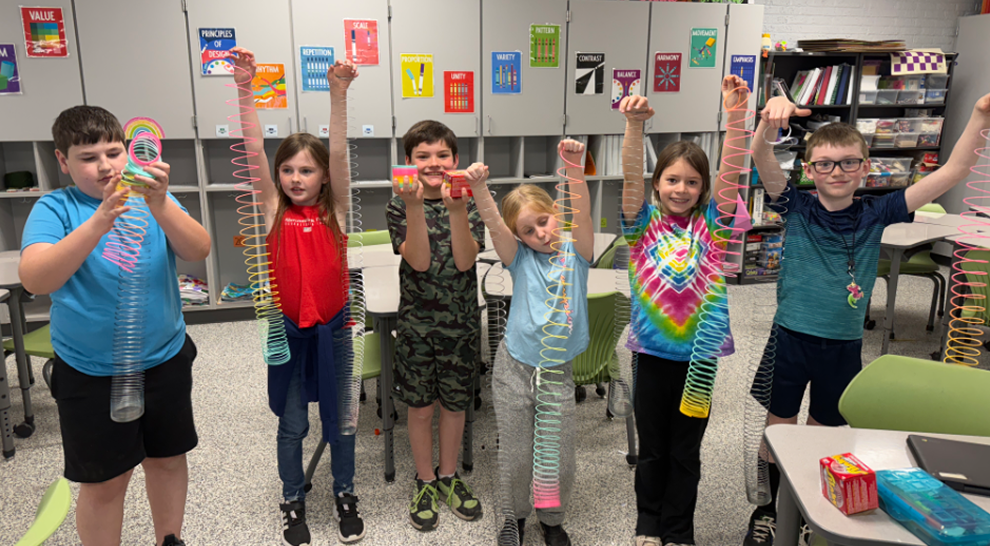
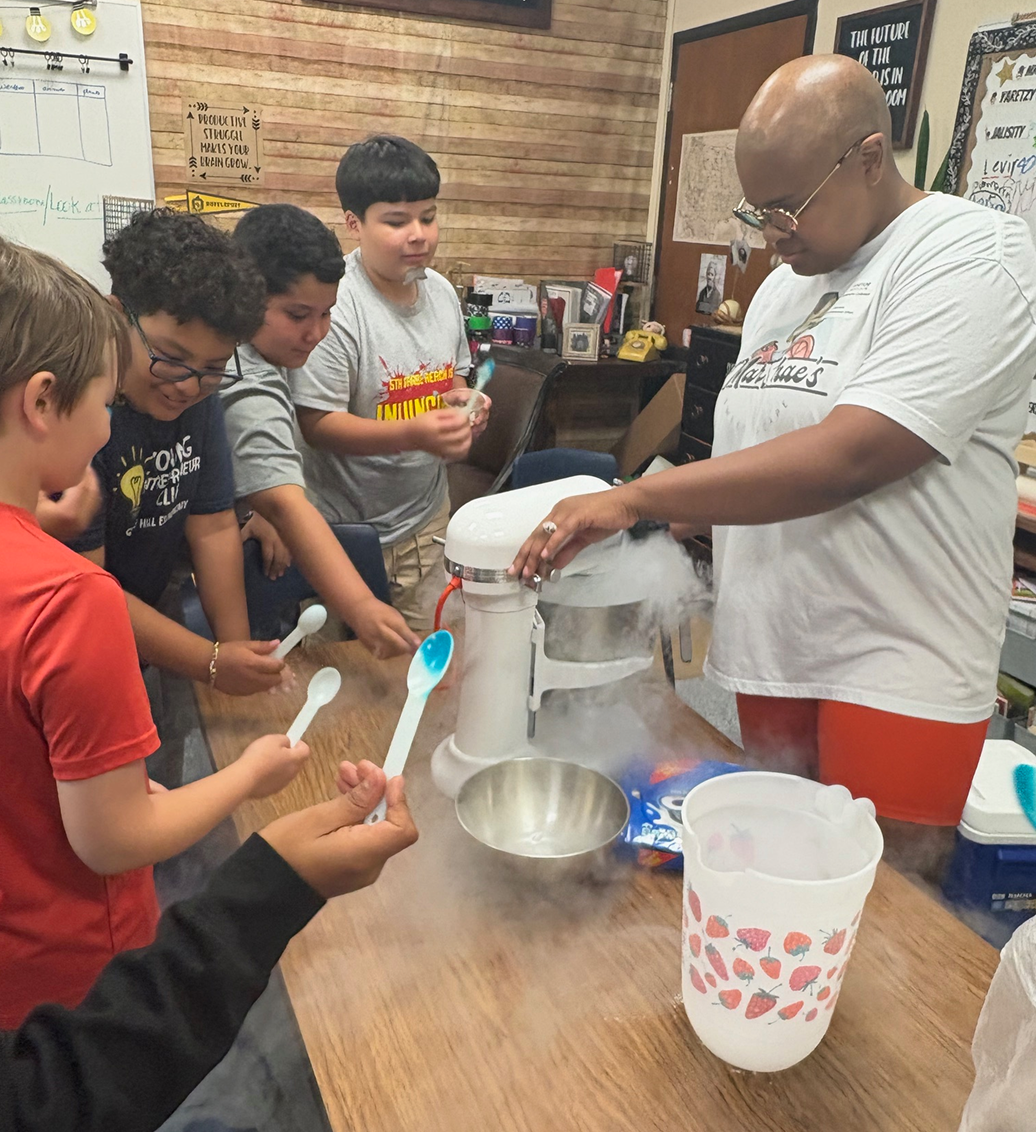
Transforming Classrooms with YIPPEE Exchange & Dignity of Children
How We Are Bridging Emotional Intelligence and Real-World Learning to Build the Next Generation of Active Changemakers.
At Dignity of Children, our foundational work is rooted in the belief that true youth development requires nurturing both emotional intelligence and a profound sense of self-agency. We know that young people thrive when they are treated not merely as passive recipients of a program, but as active co-creators of their own futures. This week, we are thrilled to spotlight our powerhouse partnership with the YIPPEE Exchange, a curated entrepreneurial marketplace that shares our exact vision for preparing youth for what comes next.
Through the YIPPEE platform, we are making our high-impact, Project-Based Learning (PBL) curricula accessible to educators across the country, expanding learning so that every student can discover what they are genuinely capable of achieving.
Cultivating the Mindsets That Matter
Decades of research on human motivation show that individuals sustain effort and grow when three basic needs are met: autonomy (choice), competence (capability), and relatedness (belonging). The YIPPEE marketplace connects classrooms with real-world entrepreneurial tools that hit every single one of these marks. By introducing entrepreneurship education, we give students a platform to practice critical soft skills in real-world contexts, helping them adopt vital mindsets:
- Opportunity-Seeking: Learning to find innovative ways to improve their environments.
- Critical Thinking: Considering the complex wants and needs of people to make deliberate decisions.
- Growth Mindset: Embracing risks and understanding that skills improve with effort and practice.
Our Featured Curricula on YIPPEE
Educators using the YIPPEE Exchange can seamlessly redeem points or funding to access Dignity of Children’s premier project-based learning modules, designed to turn students into real-time problem solvers:
- Climate Change PBL Curriculum: Empowers youth to tackle global environmental realities through scientific exploration, collaborative teamwork, and proactive local advocacy.
- Community Organizing PBL Curriculum: Teaches students how to safely analyze local challenges, listen to their peers, and systematically build actionable solutions for their neighborhoods.
Building the Feedback Loop
When we give young people the tools to shape their communities, we also hand them the responsibility to read the outcomes of their work. This collaboration bridges the gap between thinking and doing. It turns education from a passive routine into a dynamic feedback loop where youth track their own progress, adjust their strategies, and generate their own motivation.
We invite our entire community of educators, program directors, and sponsors to explore how these hands-on entrepreneurial experiences can spark imagination and resilience in your building.
LIVE Webinar - CREATING EMOTIONALLY SAFE AFTERSCHOOL PROGRAMS
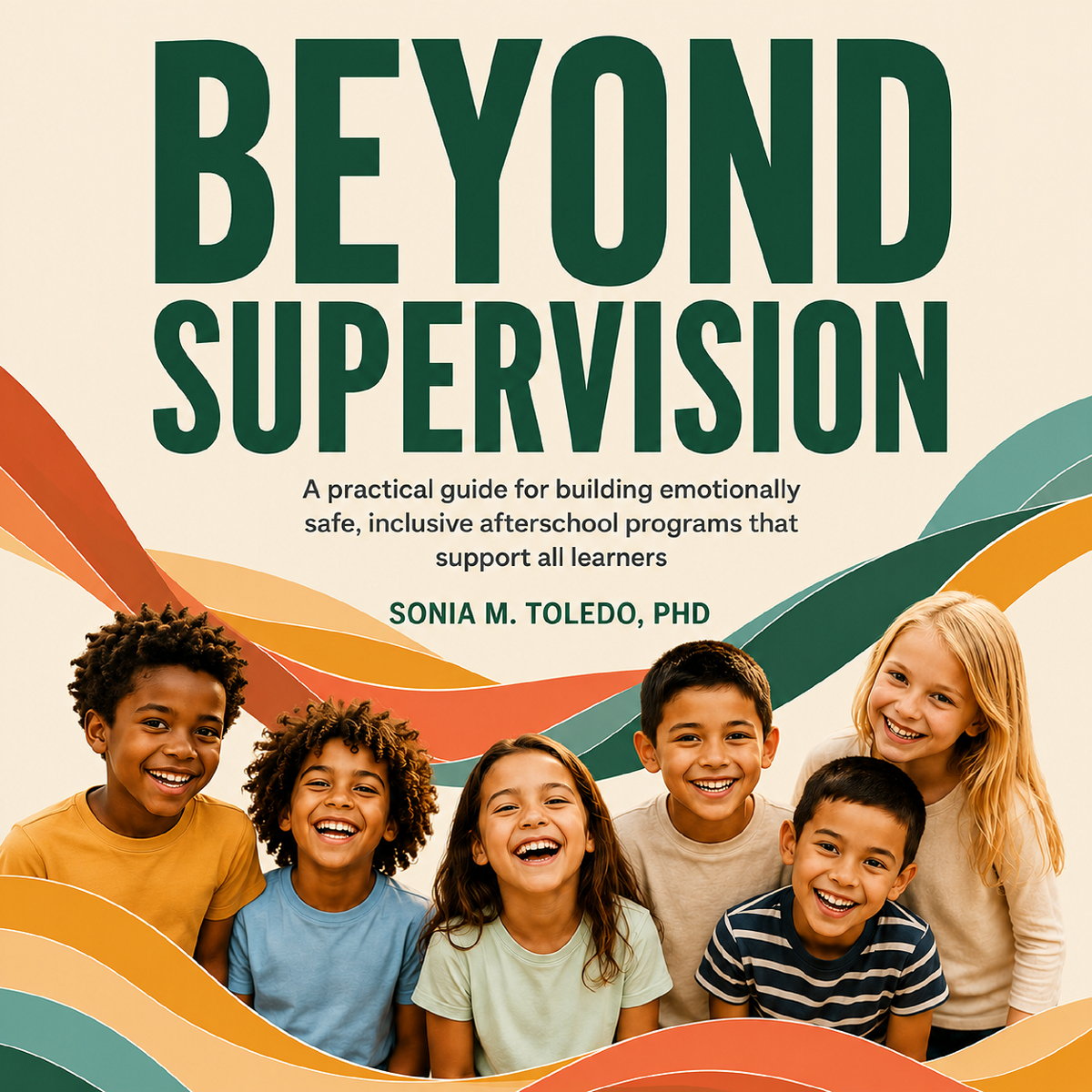
If this week's link is where you want to go deeper, Beyond Supervision walks the whole Belief-to-Outcomes framework, starting with belief.
Get your copy: https://www.amazon.com/dp/B0H66NLP7M
Already read it? A review helps other program leaders find it: https://www.amazon.com/review/create-review?&asin=B0H66NLP7M
P.S. If this issue spoke to you, forward it to one program leader or colleague who needs it. If it was forwarded to you, sign up for The Weekly Practice here: https://www.dignityofchildren.com/
Next week we move to the second link: Nervous System. The story is told in three seconds, but the body answers first, so we will look at what to do in those seconds, in your own body, before you address anyone else's.
A Question to Carry into the Week
What story did I tell myself in the first three seconds today?
With dignity and purpose,
Dr. Toledo
Sonia Toledo, PhD · Founder and CEO, Dignity of Children · Author, Beyond Supervision
P.S.
If this issue spoke to the work you are doing, join our Safe To Thrive Community: https://bit.ly/4dSMCJE
If you know one colleague or leader who needs this, forward this issue to them. They can sign up for The Weekly Practice here.
Next Week
Next week the cycle begins again at the Belief link of the Belief-to-Outcomes framework, refined by what this first pass has taught you: What story do I tell in the first three seconds, and how has five weeks of practice changed the stories I tell?

Join the Safe to Thrive movement HERE
Get your Copy Beyond Supervision
Enroll to Lead with Heart & Mind: 6-Week Guided Transformational Journey HERE
Book Professional Development Workshops for Educators HERE
Book Professional Development Workshops for Leadership HERE
Register for Director's Lab 2.0 - a program for Supervisors and Directors
To discuss your training needs, schedule a one-on-one consultation with me HERE
Dignity of Children
The Weekly Practice · Building quality through discipline, adjustment, and consistency.