
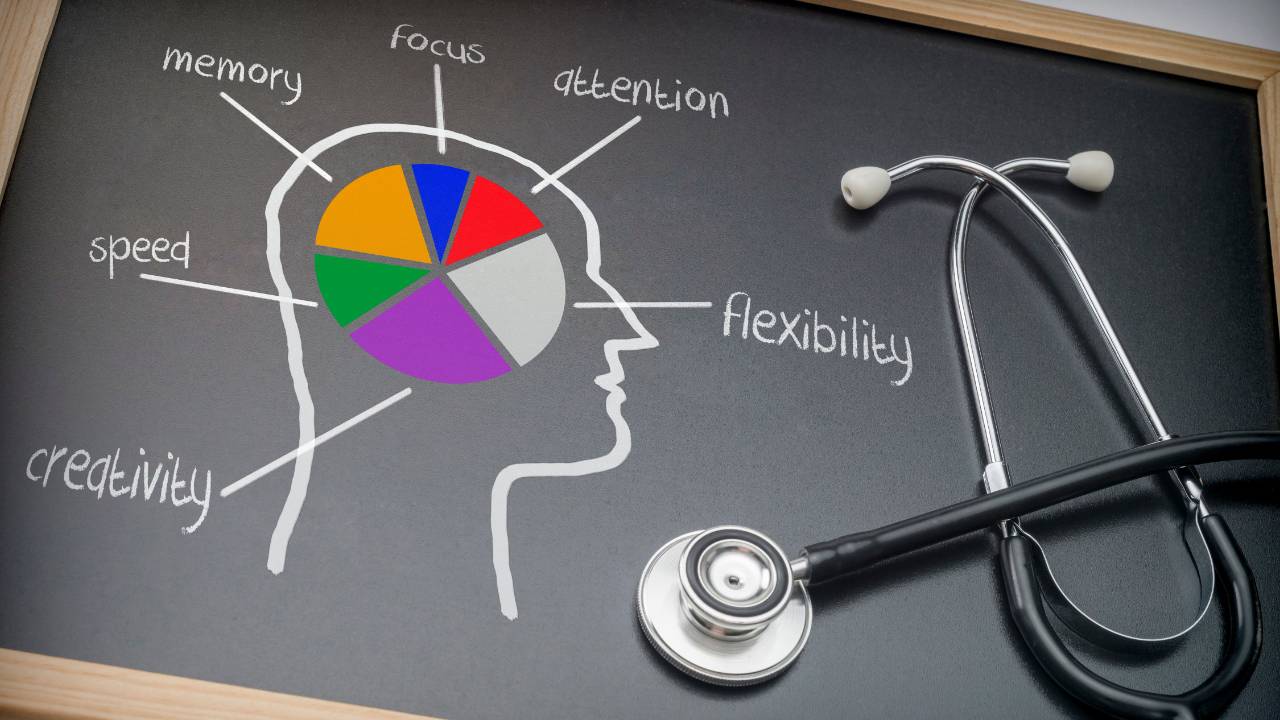
Executive function is the brain's air traffic control system — planning, focus, impulse control, flexible thinking, working memory. It's the single best predictor of long-term success in school, work, and life. Yet most youth programs teach it as an accident: we hope kids pick it up along the way.
What if we taught it on purpose?
An executive function curriculum doesn't mean another binder of worksheets. It means designing your program so that every interaction, every transition, every reflection builds the brain's ability to pause, plan, and choose.
In Beyond Supervision, I situate executive function as the third link in the Belief-to-Outcome framework: Belief → Nervous System → Executive Function → Systems → Outcomes. You can't teach it if the nervous system isn't regulated first. But once it is, executive function becomes something you can build — deliberately, daily.
Here's what a real executive function curriculum looks like.
The five executive function skills to build
Focus your curriculum on these five, woven into activities you already do — not bolted on as extra lessons.
1. Planning
Give young people a visible plan for the session and let them co-create it. "We have 60 minutes. What do we do first, second, third?" Planning is a muscle. It grows when it's exercised.
2. Impulse control
Build in structured choice with wait time. "Pick your activity, then wait for the signal to start." The pause between impulse and action is impulse control — and it's teachable.
3. Flexible thinking
Switch something small mid-session and narrate it. "We planned to go outside, but it's raining. What's our new plan?" Flexible thinkers aren't born — they're practiced.
4. Working memory
Use visual routines, songs, and short multi-step instructions. Ask young people to recall: "What were our three steps from yesterday?" Working memory grows with gentle, repeated challenge.
5. Self-monitoring
End every session with reflection: "What was hard for you today? What did you notice about yourself?" Self-monitoring is the executive function skill that lets all the others improve.
The prerequisite: a regulated nervous system
Here's the part most curricula skip: executive function lives in the prefrontal cortex, and the prefrontal cortex goes offline when the nervous system is in fight-flight-freeze. You cannot teach impulse control to a young person who feels unsafe.
That's why the framework puts Nervous System before Executive Function. Before you teach planning, teach calm. Before you ask for focus, offer regulation. The order is the curriculum.
For neurodivergent young people especially, this matters enormously. Their executive function challenges are real — but so is their capacity, when the environment is regulated and the task is scaffolded.
A weekly structure you can use
You don't need a new program. You need a new intention layered into the one you have: - Monday: Name the week's executive function focus (e.g., "This week we're practicing planning") - Daily: Build that skill into one activity and one reflection - Friday: Notice aloud what shifted. "I saw you plan your project without being asked. That's real executive function."
Naming the skill makes it visible. Visible skills get practiced. Practiced skills get built.
The outcome
When executive function is built on purpose, the outcomes change. Not just behavior — confidence. A young person who can pause before reacting, plan before starting, and reflect after finishing is a young person ready for the world.
That's the chain. Belief that young people can grow these skills → a regulated nervous system that allows it → executive function built daily → systems that sustain it → outcomes that last.
In Beyond Supervision, I show how to make this chain visible in your program — and how to grow your leaders so it survives your best staff leaving.
Start with one skill. Name it. Build it. Watch what changes.
Ready to go deeper? Join the Safe to Thrive community and get the full Belief-to-Outcome framework in Beyond Supervision.


